Featured
Table of Contents
- – Buying home appliances has many benefits
- – Save time and convenience
- – Energy Efficiency and Cost Savings
- – Improved Cooking and Food Preservation
- – Enhanced Kitchen Aesthetics
- – Increased Property Value
- – Kitchen Appliances
- – The role of kitchen appliances in daily life
- – Kitchen Appliances Categories
- – What to consider when choosing kitchen appl...
- – Range Hoods
- – Purpose and Benefits of Range Hoods
- – Types of Range Hoods
- – Features to Look for in Range Hoods
- – Installation Considerations
- – Maintenance and Cleaning Tips
- – Wall Ovens
- – Advantages of Wall Ovens
- – There are many types of wall ovens.
- – What to Look for in Wall Ovens
- – Wall Oven Installation
- – Usage and Maintenance Tips
- – Gas Cooktops
- – Benefits of gas cooktops
- – Gas Cooktop Styles and Sizes
- – Burners and Configurations
- – Safety Features
- – Cleaning and Maintenance
- – Conventional Ovens
- – Types of Conventional Ovens
- – The role of conventional ovens
- – Temperature Accuracy and Performance
- – Energy Efficiency
- – Baking, Roasting and Broiling Features
- – Microwave/Range Combos
- – Advantages of Microwave Range Combos
- – Cooking Capabilities and Versatility
- – Integrating Kitchen Design
- – Space-Saving Benefits
- – Technology Features
- – Coffee Makers
- – Coffee Makers are available in a variety of...
- – Customization and Programmability
- – Coffee Grinder Integral
- – Cleaning and Maintenance
- – Toaster Ovens
- – Versatility Beyond Toasting
- – Cooking Modes
- – Size Considerations
- – Features
- – Energy Efficiency
- – Cleaning and Maintenance
- – Major Appliances
- – Definition and Significance
- – Categorization of Major Appliances
- – Role of Major Appliances in a Fully Equipp...
- – Long-Term Investment Value and Considerations
- – Refrigerators
- – Importance of Refrigerators
- – Types of Refrigerators
- – Considerations for Size
- – Energy Efficiency and Cooling Technology
- – Organization and Storage Features
- – Compare Features and Brands
- – Key Features to Compare
- – Energy Efficiency Ratings
- – Compare and research brands
- – Read Reviews and Look for Recommendations
- – Consideration of Warranties and customer su...
- – Budgeting and Installation
- – Setting a Realistic Budget
- – Hidden Costs To Consider
- – DIY vs Professional Installation
- – Space and Layout Planning
- – Electrical and Plumbing Requirements
- – Buying the product
- – Finalizing the Appliance Selection
- – Explore Financing Options
- – Comparing Shopping Online vs. In Store
- – Negotiating Deals and Discounts
- – Confirming delivery and installation
Home appliances include electrical and mechanical devices that perform household tasks such as cleaning, cooking, preserving food, and doing laundry. These include large appliances such as refrigerators and ovens. They also include smaller appliances, like coffee makers, toaster-ovens and blenders. Home appliances play a vital role in modern households by saving time and effort in daily chores, allowing people to focus their energy on work, family, hobbies and other important aspects of life.
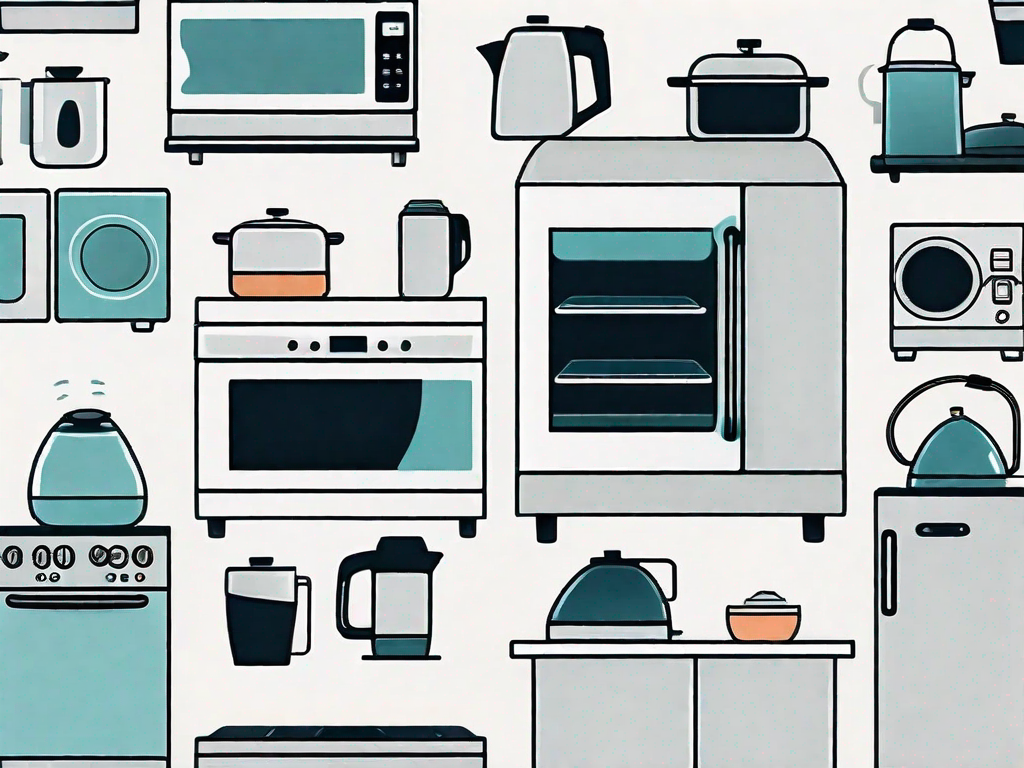
Home appliances were widely used in early 20th-century cities and suburbs after electrification. Commercially available labor saving devices such as washing machines, vacuums, irons, and refrigerators began to appear. Over the decades, kitchen appliances have evolved tremendously with the incorporation of new technologies and digital capabilities. What began as simple mechanical appliances have transformed into smart devices that can be remotely controlled through smartphones and voice assistance. - Spicy Buffalo
Today, home appliances are considered essential elements of an efficiently functioning household. They not only make daily tasks simpler but also provide safety, hygiene and convenience. For example, refrigerators allow safe storage of food while dishwashers sanitize dishes more effectively than hand washing. As households become busier, home appliances will continue to play a critical role in streamlining chores and improving quality of life.
Buying home appliances has many benefits
Investing in quality home appliances provides several benefits that can significantly improve daily household tasks:
Save time and convenience
Modern home appliances are designed to complete domestic tasks in a fraction of the time it would take to do them manually. Dishwashers are able to clean a whole load of dirty dishes within an hour, while hand washing could take up to three times longer. Similarly, washing machines can finish multiple loads of laundry in the time taken for hand-washing a single load. It allows people to save time and effort.
Energy Efficiency and Cost Savings
Energy efficient appliances use less electricity or natural gas, resulting in lower utility bills. Energy Star-certified appliances must meet strict efficiency standards set by the Environmental Protection Agency. Energy Star appliances are more expensive upfront, but they typically save you money over the course of their lifetime.
Improved Cooking and Food Preservation
Modern kitchen appliances are a great way to improve the results of your recipes. Convection cooktops are equipped with precise temperature controls and a fan that circulates to cook food more quickly and evenly. Refrigerators are equipped with sensors and smart temperature control to ensure food stays fresh for longer.
Enhanced Kitchen Aesthetics
A well-equipped kitchen with a range of appliances looks more visually appealing and can increase the value of your home. Stainless steel appliances complement most kitchen designs while sleek built-in ovens aligned with cabinetry create a unified and upscale look.
Increased Property Value
Upgrades to more efficient appliances can increase the value of your home. ENERGY STAR certified appliances assure potential home buyers of long-term savings. Additionally, renovated kitchens with high-end appliances tend to improve a property's market value.
Kitchen Appliances
Kitchen appliances are essential for cooking, cleaning, preparing food and storing it. The right kitchen appliances can make meal preparation easier and bring joy to the cooking process. It is important to consider your lifestyle, needs and space when selecting kitchen appliances.
The role of kitchen appliances in daily life
A fully equipped kitchen makes cooking and cleaning simpler, faster and more enjoyable. Common kitchen appliances like refrigerators, ovens, cooktops, microwaves, dishwashers, and coffee makers streamline meal preparation and enable home chefs to whip up anything from simple snacks to gourmet feasts. Smart kitchen gadgets can further enhance convenience.
Kitchen Appliances Categories
The function of kitchen appliances is a broad category.
Cooking appliances: Provide a variety of cooking methods, including grilling, baking, and induction cooking. Examples: Ovens, cooktops and ranges Microwave ovens
Cleaning Appliances: Designed to wash cookware, utensils and dishes. Examples: dishwashers, trash compactors
Food Preservation Appliances Allow long-term storage to minimize food wastage. Examples: refrigerators, freezers, wine coolers
Beverage Appliances: Used for making hot and cold drinks. Examples: coffee machines, tea kettles and blenders
Countertop appliances: are designed for small preparation tasks. Examples: electric kettles, toasters, air fryers
What to consider when choosing kitchen appliances
- Available space - Measure countertops and cabinets to ensure the appliance dimensions fit your kitchen layout. Also, consider existing electrical and plumbing connections.
- Usage needs - Assess how frequently you plan to use the appliance and for what purposes to determine the required capacity and features.
- Numbers of users- A household with more members may require larger appliances.
- Energy efficiency - Choose ENERGY STAR rated models for long-term energy savings.
- Budget- Set your budget realistically and don't compromise on quality.
- Ease of use - Opt for appliances with intuitive controls and user-friendly displays when possible.
- Noise Levels – Check decibel levels if placing appliances in close proximity to living areas.
- Smart capabilities - Consider appliances with smart attributes for increased convenience.
- Brand and warranty - Reputable brands and longer warranties offer durability and peace of mind.
Range Hoods
Range hoods are essential kitchen appliances designed to eliminate smoke, grease, heat and odors while cooking on the stove. The type, power, and size of the range hood you choose for your kitchen will depend on your cooking style and layout.
Purpose and Benefits of Range Hoods
- Removes cooking fumes, odors and airborne particles.
- Extracts heat, steam and moisture from cooking surface.
- Avoid greasy residues on your kitchen surfaces.
- Alleviates high humidity levels from everyday cooking.
- Improves indoor air quality by removing contaminants.
- Includes built-in lighting to illuminate the cooking surface.
- Available in different styles to complement kitchen aesthetics.
Types of Range Hoods
There are two main types of range hoods:
Ductless range Hoods: They are also called recirculating hoods. The filters filter the exhaust air through carbon and grease filters, before returning the air to the kitchen. Ideal for occasional cooking.
Ducted range Hoods: These extract air from the kitchen and filter it through ductwork that is vented to the outside. Recommended for frequent stove use as they are more powerful. - Spicy Buffalo
Features to Look for in Range Hoods
- CFM rating - Higher CFM indicates more powerful air flow. Opt for minimum 400 CFM for a 30" hood.
- Noise level - Lower decibels (dB) mean quieter operation. Choose accordingly if open kitchen.
- Venting options - Ducted, ductless or convertible. Select ducted for heavy cooking.
- Size Hood width should be the same as cooktop width. The larger the hood, the more efficient it is.
- Controls - Look for variable speed settings. Some have remote controls.
- Filters - Dishwasher safe grease filters for convenient cleaning.
- Slope- A gentler slope will direct fumes more effectively than steep designs.
- Finish - Stainless steel, copper, black, white etc. Match with kitchen decor.
Installation Considerations
- For safety and optimal performance, the hood should be 24-30 inches from the cooktop.
- The ductwork should be directed to a wall external or roof vent. Straighten and keep ducts short.
- Heavy commercial hoods require a mounting system that is strong enough to support them.
- Before installation, electrical and ducting needs must be evaluated.
- Installation by a professional is recommended for all ducted range hoods.
Maintenance and Cleaning Tips
- Use a degreaser to clean the metal grease filters every month. Replace charcoal filters once every 6-12 month.
- Wipe interior and exterior surfaces with a soft cloth and non-abrasive cleaning products. Avoid harsh chemicals.
- Disconnect power supply before servicing internal components.
- Dust buildup on blowers and fans should be vacuumed out periodically.
- Make sure that the ducting has no obstructions. If airflow appears to be reduced, call a professional. - Spicy Buffalo
- Turn on hood 5 minutes before cooking and leave on for 15 minutes after to clear residual gases.
Wall Ovens
The wall oven is a modern, clean alternative to the traditional range oven. It separates the stovetop from the oven. The ovens are designed to deliver excellent baking and roasting while seamlessly integrating into the kitchen cabinetry.
Advantages of Wall Ovens
- Flexible installation apart from the cooktop allows customized workspace.
- Creates a minimalistic aesthetic for a modern kitchen.
- Facilitates safe use away from the stove area.
- Power output is increased for quicker preheating, and multi-rack cooking.
- Even heat distribution using convection fans.
- Sleek controls hide the controls when not in use.
There are many types of wall ovens.
Single wall oven: Has a capacity of 3 to 6. cubic feet, suitable for most homes. Most affordable option.
Double wall oven: Has an upper and lower compartment with a total capacity of 6 to 12 cubic foot. Allows baking two items at different temperatures.
Combination wall oven: Combines a traditional bake oven and a smaller convection oven or microwave oven. Convenient to heat quickly and cook a variety of foods.
Convection Wall Oven: Circulating fan provides fast, even baking results. The best choice for serious cooks and bakers.
What to Look for in Wall Ovens
- Capacity: Choose according to the size of your family and your cooking needs.
- Cooking modes - Options like bake, broil, convection add versatility.
- Self Cleaning – Breaks down food residue without using chemicals at high temperatures.
- Preheat time - Look for fast preheat elements for convenience.
- Temperature probe - Monitors internal food temperature and adjusts cooking time.
- WiFi connectivity - Enables monitoring and controlling oven remotely.
Wall Oven Installation
- Sufficient cabinet height, width and depth are required. Double ovens need more height.
- Electrical connections should match oven specifications for proper power supply.
- Around the oven, wall materials must not be combustible.
- Proper ventilation above the oven is a must.
- For a safe and secure installation, it is best to hire a professional installer.
Usage and Maintenance Tips
- Refer to the manual for oven positions recommended for baking, broiling, etc.
- Allow proper preheating for even and consistent cooking results.
- Use oven racks in recommended configurations based on recipe needs.
- Avoid using abrasive cleaning pads when the self-cleaning cycle is running.
- Check door gasket periodically and replace if warped or damaged. - Spicy Buffalo
Gas Cooktops
Gas cooktops are favored by home chefs for providing consistent heat output, precise temperature control and rapid responsiveness ideal for cooking techniques like stir frying and searing. Choosing the right gas cooktop entails factoring in configuration, size, burner styles and other features. - Spicy Buffalo
Benefits of gas cooktops
- Provide instant adjustable heat via gas burners making temperature changes quick.
- Open flame allows better visualization for simmering and high-heat cooking.
- Superior for wok cooking, sauteing, boiling water rapidly.
- Induction cooktops are more expensive upfront.
- In the event of a power failure, you can operate independently.
Gas Cooktop Styles and Sizes
Freestanding Cooktops - Separate unit installed into countertop. Flexible placement. Require more clearance.
Slide-in Cooktops - Designed to fit snugly between kitchen cabinets. Integrated look. Require less clearance.
Common sizes are 30", 36" and 48". Larger cooktops allow more burners. Consider existing cutouts when replacing old cooktop.
Burners and Configurations
Number burners Entry-level models come with 4 burners, while the higher-end models can have up to 6 burners. Choose based on cooking needs.
Burner Types – Regular burners for everyday use. High-power for rapid boiling. Griddles in oval/long shapes.
Bridge element - Combines two burners into an elongated burner. Griddles can be used with this element.
Gridddle plate- A removable flat metal plate that can be used to cook on like a griddle. Slides over bridge element.
Burner layout - Efficient cooktops position main burners at front and minor ones behind. Avoid crammed configurations. - Spicy Buffalo
Safety Features
- Re-ignition automatically relights the burner flame in case it is accidentally extinguished.
- The residual heat indicator will alert you if the burner is still hot even after it has been turned off.
- Spillover trays catch drippings from pots to reduce risk of kitchen fires.
- Control locks prevent accidental activation of burners. Useful in homes with children. - Spicy Buffalo
Cleaning and Maintenance
- Wipe with damp soapy cloth and dry immediately after each use. Avoid abrasive scouring pads.
- Regularly clean burners and unclog any blocked ports using a paper clip.
- Remove grids and soak in warm soapy water as needed. Rinse and dry thoroughly afterwards.
- Use baking soda and vinegar to remove stubborn stains. Avoid over-scrubbing delicate components.
- Schedule professional service annually to inspect parts and ensure proper functioning.
Conventional Ovens
Conventional ovens are essential kitchen appliances designed to roast, bake and broil a variety of foods. The ovens work by heating the air in a thermally-insulated chamber with electric heating elements or burners.
Types of Conventional Ovens
Freestanding ovens- Unit that can be placed on the kitchen counter, or mounted to a lower cabinet. Provides flexible installation.
Build-In Ovens - Designed to fit within kitchen cabinetry for a unified look. Available in single or double configurations.
The role of conventional ovens
- Bake everything from cookies, cakes, muffins, casseroles to meat loaves.
- Roasted vegetables, poultry, turkey, beef, etc. for delicious home cooked meals.
- Use intense heat at the top of the grill to produce a deliciously charred finish on meats and fish.
- Heat leftovers or prepare convenience foods frozen.
- If your oven has a warm-up function, you can dehydrate fruit and meat jerky. You can also bake clay/ceramic pieces.
Temperature Accuracy and Performance
- Modern ovens are capable of maintaining precise temperatures, and they evenly distribute heat to eliminate hot or cold spots.
- Smart sensors automatically adjust heating elements to achieve desired doneness and prevent overcooking.
- Convection fans and multiple rack positions facilitate simultaneous cooking.
- Rapid preheat elements enable ovens to reach optimal cooking temperature quickly.
Energy Efficiency
- Insulated chambers retain heat minimizing temperature fluctuations and energy usage.
- European convection ovens use a third heating element and smaller cavity for faster cooking and energy savings of 20-30%.
- Self-cleaning models maximize energy efficiency by reflecting heat during normal cooking.
Baking, Roasting and Broiling Features
- Quartz, halogen or induction baking elements distribute heat evenly for uniform cooking.
- Convection fans circulate air accelerating cooking times. Multi-rack baking is made easy with this fan.
- Broil elements reach extremely high temperatures perfect for meats and vegetables needing that charred touch.
- Stove-top extensions convert some ovens to rangetops, giving them extra versatility.
Microwave/Range Combos
Combinations of microwave and gas/electric ranges combine a microwave with a traditional oven for roasting or baking. These combo units maximize functionality and save space in kitchens.
Advantages of Microwave Range Combos
- Deliver speed and convenience of microwave cooking.
- Full functionality of a conventional bake oven.
- Eliminate the need to buy separate appliances.
- They take up less space than individual units.
- Cost less than buying stand-alone oven and microwave.
- Offer a uniform integrated look.
Cooking Capabilities and Versatility
- Microwave mode cooks, heats or defrosts foods rapidly using microwave energy.
- Convection mode circulates hot air for faster roasting and baking.
- The broiling mode is the best way to get meats and vegetables crispy.
- Bake mode maintains steady dry heat perfect for baking.
- Convection microwave mode combines convection and microwave for additional speed.
Integrating Kitchen Design
- All-in-one configuration maximizes kitchen space.
- Installation into standard oven cabinets cutout sizes.
- Sleeker built-in style fuses beautifully with kitchen aesthetics.
- The placement of the over-the-range allows for more counter space.
- Front control panel provides convenient access.
Space-Saving Benefits
- Elminates the need for two separate appliances and cutouts.
- Over-the-range units do not occupy counter space.
- Installable in apartments and small kitchens.
- Great choice for recreational vehicles and mobile homes.
- Stacked washer-dryer configuration allows installation below.
Technology Features
- Combination cooking settings with microwave and traditional modes.
- Create your own custom cook programs to use with one-touch cooking.
- Sensor cooking automatically adjusts the time and power.
- Smart diagnostics detect and troubleshoot issues.
Coffee Makers
A high-quality coffee maker is a must-have kitchen appliance for coffee lovers. It allows them to enjoy cafe style coffee at home. The right coffee maker is determined by the brewing requirements, features available, and ease-of-use and maintenance.
Coffee Makers are available in a variety of styles.
Drip coffee makers: The most common type. Water is heated and dripped over coffee grounds in a filter. Ideal for making multiple cups quickly.
Espresso Machines Use steam and pressure to extract concentrated espresso. Require finely ground coffee beans. Cappuccinos, lattes and cappuccinos can be made.
Single Serve: Brew a fresh single cup at a time. Compatible with pods or grounds. Good option for variety.
French Press: Steep coffee grounds directly in hot water. Produces robust full-bodied coffee. Simple to use, with only a few parts.
Cold Brew Machines: Slow steeping under cool temperatures makes smooth low-acid cold brew. Heat does not prevent bitter flavors.
Customization and Programmability
- Programmable timers - Set brew schedule in advance. Wake up to ready coffee.
- Adjustable Brew Strength - Tailor the flavor to individual tastes.
- Variable temperature control - Optimal water temps maximize coffee flavor.
- Custom brew sizes - Single cup to full carafe settings.
- Automatic shutdown - safely shuts down the machine after brewing. Prevents overheating or burning.
Coffee Grinder Integral
- Burr grinders use cutting blades for uniform grinds ideal for brewing.
- Consistent grinding size optimizes flavor extraction.
- Freshly ground beans retain natural oils for increased aroma.
- Integrated grinders facilitate grinding directly into filter basket.
Cleaning and Maintenance
- Regularly wash removable parts like carafe, filter basket, water reservoir.
- Use vinegar solution to remove mineral deposits and hard water stains.
- De-scale metal tubing and heating element to prevent blockage.
- Replace charcoal water filters as recommended to maintain water purity.
- Wipe exterior with soft, damp cloth to remove dirt and dust.
Toaster Ovens
Toaster ovens provide versatile countertop cooking that goes way beyond just making toast. They use radiant heat from top and bottom coils to bake, broil, toast and reheat foods. Toaster ovens are equipped with a variety of features that make them easy to use.
Versatility Beyond Toasting
- Bake small batches of cookies, cupcakes, rolls, and more.
- Broil wings, chops and vegetables cut into pieces with direct heat from the top.
- Heat leftovers in the oven without using the large one.
- Toast bagels, breads and waffles until desired doneness.
- Roast vegetables and small portions of meat.
- Cook frozen snacks, pizzas, fries quickly.
Cooking Modes
- Toast mode turns off heating elements once desired shade is reached.
- Bake mode maintains low steady dry heat great for cakes and casseroles.
- Broil mode subjects food to intense direct top heat for flavorful charring.
- Convection mode circulates hot air using a fan for faster cooking.
- Pizza mode combines broiling and baking to melt cheese and create a crispy crust.
Size Considerations
- Small 2-slice models are ideal for singles or couples.
- Standard 4-6 slice units meet most household needs.
- There are large models that can hold up to 7 slices of bread.
- Compact toaster ovens take up minimal counter space.
Features
- Digital controls with cooking presets add one-touch convenience.
- Tempered glass doors withstand high heat for monitoring cooking.
- Interior lighting allows you to check the door without opening it.
- Non-stick interiors facilitate cleaning while broil pans come out.
- Removable crumb trays collect fallen food bits during use.
Energy Efficiency
- Preheat quickly using less energy than a full-size oven.
- The smaller cavity concentrates the heat, preventing it from escaping during cooking.
- Energy saver mode turns heating elements off once target temperature is reached.
- Insulated housing is energy efficient because it retains heat.
Cleaning and Maintenance
- Empty the crumb tray immediately after use to prevent residue from building up.
- Use mild detergent and non-abrasive sponge to clean interior. Avoid metal scouring pads.
- To prevent cloudiness and etching over time, rinse and dry the glass.
- Use baking soda paste to remove stubborn stains. Do not use on heating elements.
- Avoid touching hot heating coils during cleaning to prevent accidental burns.
Major Appliances
Major kitchen appliances are large, freestanding, or built-in appliances with core functions such as cooking, cleaning, and refrigeration. They are called "major" because they represent major investments and are essential for a fully equipped kitchen.
Definition and Significance
Major appliances are often more expensive, but last longer and are purchased less frequently. They provide vital services like food storage and preparation central to household operation. Major kitchen appliances can be powered by natural gas, electricity or propane.
Major appliances such as ovens, dishwashers and refrigerators are important in everyday life. The investment value, installation requirements and potential repair costs are key considerations before purchasing.
Categorization of Major Appliances
Refrigeration Appliances - Refrigerators, freezers Cooking Appliances - Ranges, ovens, cooktops Cleaning Appliances - Dishwashers, trash compactors Ventilation Appliances - Range hoods
Combination appliances such as microwave/range units are popular in addition to these major appliances.
Role of Major Appliances in a Fully Equipped Kitchen
- Refrigerators are ideal for storing cooked, fresh and frozen foods. Water dispensers, smart controls and ice makers are all modern conveniences.
- Cooking with different fuels and technologies is made easier by ranges, ovens, and cooktops. Options range from gas stoves to induction cooktops.
- Dishwashers can save you a lot of time in the post-meal cleaning process. Features like soil sensors intelligently maximize cleaning and energy efficiency.
- By venting smoke, heat and fumes to the outside, range hoods improve kitchen air quality. High-end models can be architectural features.
- The compactors can compress the household waste up to 1/4th its original volume. Some feature removable cylinders for clean and easy disposal.
Long-Term Investment Value and Considerations
Major appliances are a significant investment, but they provide value every day for years or decades. It is better to choose reputable brands that are known for their reliability than the cheapest option. This will pay off over time with added durability and performance.
Consider extended warranties. They can provide protection if mechanical problems arise after the manufacturer's warranty has expired.
Plan professional installation, especially for gas appliances and built ins to ensure safety and proper integration.
Consider the energy rating - High efficiency models can save you money over time, despite their premium price.
Consider repair costs. Quality construction and proven technologies reduce repair frequency.
Refrigerators
Refrigerators are the most essential kitchen appliance for preserving foods safely by slowing bacterial growth. Important factors when shopping for a new refrigerator include capacity, organization, temperature control and energy efficiency.
Importance of Refrigerators
- Refrigerate perishable food below 40degF to maintain freshness.
- Store surplus food to allow bulk shopping.
- Inhibit microbial growth to prevent foodborne illness.
- Extend produce shelf life using high humidity crisper drawers.
- Provide household convenience with features like water/ice dispensers.
Types of Refrigerators
Top Freezer - Freezer compartment located above the refrigerator. Most affordable option.
Bottom freezer – Freezer at the bottom is easier to access. Requires bending for refrigerator.
Side by Side – Vertically split with separate freezer and refrigerator compartments. Narrower shelves.
French Door - Twin refrigerator doors with bottom mounted freezer drawer. Wide shelves.
Counter Depth -- Smaller depth blends seamlessly with kitchen cabinets.
Considerations for Size
- Kitchen space measurements are important for clearance.
- Standard width is 30-36 inches. Counter depth models are shallower.
- Height around 68-70 inches but can go up to 84 inches.
- The overall capacity is typically 10-30 cubic feet.
Energy Efficiency and Cooling Technology
- The inverter compressors allow precise temperature control and energy savings.
- Variable speed fans circulate cold air evenly while operating quietly.
- Heat transfer is limited by multiple insulation layers on chamber walls and doors.
- Automatic defrost functions prevent ice buildup needing manual defrosting.
Organization and Storage Features
- The adjustable shelving accommodates items of various sizes.
- Gallon door bins hold large containers like milk jugs.
- Can racks allow upright soda and drink storage.
- Produce drawers control humidity to extend freshness.
- The freezer drawers help to organize food and make it easier to reach.
Compare Features and Brands
It is more important to focus on the key features of appliances that are compatible with your lifestyle and needs than simply brand names. Consider performance, efficiency, convenience, and connectivity that align with how you use kitchen appliances daily.
Key Features to Compare
- Size and capacity
- Temperature control, uniform cooling
- Noise output and energy ratings
- Warranties and customer support
- Smart features and WiFi connectivity
- Specialized storage like freezer drawers
- Additional functions such as air filters and water dispensers
Energy Efficiency Ratings
Check the EnergyGuide label providing energy consumption facts. The higher the estimated yearly operating cost, the less efficient the appliance. Energy Star-certified models must meet strict efficiency standards set by the EPA. Units with inverter compressors offer more precision in energy use.
Compare and research brands
Compare the reliability and quality of different brands. Consult reviews on forums like Consumer Reports to compare real-world feedback on aspects like noise, durability and service calls. The manufacturer's warranty period is a good indicator of the expected lifespan. Compare availability of certified service technicians for different brands before deciding.
Read Reviews and Look for Recommendations
Product reviews on retail sites provide transparent insights into pros and cons based on actual customer experiences. Find out which models and brands are the most popular on social media platforms. Take into account the dimensions and storage requirements of those who are offering advice to see if it suits your needs.
Consideration of Warranties and customer support
Extended warranties are a good way to protect your refrigerator for a long time. Manufacturer warranty terms such as length of coverage and repair costs, or eligibility for replacement are important to check. Compare the ease of reaching customer service representatives, and average response times by technicians of different brands.
Budgeting and Installation
When establishing a realistic budget for new kitchen appliances, it is important to consider the purchase price, the installation costs and future utility bills. For a smooth installation, careful planning is required.
Setting a Realistic Budget
- Consider your financial situation to determine how much money you can spend up front.
- Measure existing kitchen spaces to estimate costs of any required cabinet modifications.
- Factor in charges for professional installation, delivery, and hauling away of old appliances. Add up the costs.
- Compare energy ratings and yearly operating costs projected for models you're considering.
- Weigh costs of extended warranties on appliances you anticipate needing longer coverage for.
Hidden Costs To Consider
- Installing gas lines and installing built-ins can be expensive.
- Upgrades to electrical or plumbing systems are required for appliances that require power or water.
- Custom cabinets or countertops can be made to fit new appliance sizes and configurations.
- Costs of recycling old appliances and additional garbage disposal fees.
- Needs for ongoing maintenance and annual servicing
DIY vs Professional Installation
DIY installation is possible for replacing existing freestanding appliances. Professional installation is recommended for:
- Installation of appliances for the first time without existing connections.
- Gas appliances that require gas lines to be safely connected.
- Built-in ovens or cooktops integrating with cabinetry.
- Vented range hoods requiring ducting expertise.
Space and Layout Planning
Plan your kitchen by measuring the existing layout and appliances. Look into adjacent cabinet or countertop modifications needed to accommodate any new units or configurations. optimize placement for triangle workflow between sink, oven and refrigerator. Keep a sufficient amount of space on all sides to allow for ventilation and functionality.
Electrical and Plumbing Requirements
Consult the manuals of your appliances to determine electrical specifications and outlet requirements. Upgrade wiring or add new outlets as needed. Check the water pressure in your dishwasher or refrigerator and its supply lines. Install shut off valves if recommended. Learn about options like gas lines, propane tanks or 240-volt outlets for specialized appliances like gas ranges or dryers if needed.
Buying the product
The final step after selecting desired appliances is to arrange cost-effective shipping and professional installation. Compare deals across retailers before making the purchase.
Finalizing the Appliance Selection
- Review compiled notes on leading contenders across different categories.
- Make sure that the models you choose are compatible with your kitchen's space and functional needs.
- Confirm appliance dimensions including depth fit cabinets and cutouts.
- Choose finishes that complement your kitchen decor - black, stainless, white etc.
- If you want a kitchen that is unified, opt for integrated appliances.
Explore Financing Options
- No interest financing for 12-18 months is available.
- Look for specials on appliance packages and cabinetry.
- Renting is a good option if you need appliances for a temporary or short-term situation.
- Understand payment plan terms like deposit requirements and payment schedules.
Comparing Shopping Online vs. In Store
In-store benefits include hands-on experience, expert advice and ability to see more options. Online benefits include wider selection, product reviews and home delivery services. When choosing, consider the price, competitiveness, and convenience.
Negotiating Deals and Discounts
Look for special deals around holiday weekends and clearance events. Price-matching guarantees, military discounts and student discounts are all available. Use competitive retailer quotes to negotiate on large purchases. Plan your purchases to coincide with end-of-quarter or year-end sales for the best bargains.
Confirming delivery and installation
Schedule professional installation for plug-and-play convenience. Clarify timing constraints and measure doorways if appliances are oversized. To simplify the cleanup, request that old appliances be hauled away. If you need to make delivery easier, follow up with the retailer about parking or permits.
This comprehensive guide to kitchen appliances will help you select the best appliance for your needs, budget and design preferences. Plan carefully and invest wisely to enjoy the versatility and convenience of an upgraded kitchen.

Table of Contents
- – Buying home appliances has many benefits
- – Save time and convenience
- – Energy Efficiency and Cost Savings
- – Improved Cooking and Food Preservation
- – Enhanced Kitchen Aesthetics
- – Increased Property Value
- – Kitchen Appliances
- – The role of kitchen appliances in daily life
- – Kitchen Appliances Categories
- – What to consider when choosing kitchen appl...
- – Range Hoods
- – Purpose and Benefits of Range Hoods
- – Types of Range Hoods
- – Features to Look for in Range Hoods
- – Installation Considerations
- – Maintenance and Cleaning Tips
- – Wall Ovens
- – Advantages of Wall Ovens
- – There are many types of wall ovens.
- – What to Look for in Wall Ovens
- – Wall Oven Installation
- – Usage and Maintenance Tips
- – Gas Cooktops
- – Benefits of gas cooktops
- – Gas Cooktop Styles and Sizes
- – Burners and Configurations
- – Safety Features
- – Cleaning and Maintenance
- – Conventional Ovens
- – Types of Conventional Ovens
- – The role of conventional ovens
- – Temperature Accuracy and Performance
- – Energy Efficiency
- – Baking, Roasting and Broiling Features
- – Microwave/Range Combos
- – Advantages of Microwave Range Combos
- – Cooking Capabilities and Versatility
- – Integrating Kitchen Design
- – Space-Saving Benefits
- – Technology Features
- – Coffee Makers
- – Coffee Makers are available in a variety of...
- – Customization and Programmability
- – Coffee Grinder Integral
- – Cleaning and Maintenance
- – Toaster Ovens
- – Versatility Beyond Toasting
- – Cooking Modes
- – Size Considerations
- – Features
- – Energy Efficiency
- – Cleaning and Maintenance
- – Major Appliances
- – Definition and Significance
- – Categorization of Major Appliances
- – Role of Major Appliances in a Fully Equipp...
- – Long-Term Investment Value and Considerations
- – Refrigerators
- – Importance of Refrigerators
- – Types of Refrigerators
- – Considerations for Size
- – Energy Efficiency and Cooling Technology
- – Organization and Storage Features
- – Compare Features and Brands
- – Key Features to Compare
- – Energy Efficiency Ratings
- – Compare and research brands
- – Read Reviews and Look for Recommendations
- – Consideration of Warranties and customer su...
- – Budgeting and Installation
- – Setting a Realistic Budget
- – Hidden Costs To Consider
- – DIY vs Professional Installation
- – Space and Layout Planning
- – Electrical and Plumbing Requirements
- – Buying the product
- – Finalizing the Appliance Selection
- – Explore Financing Options
- – Comparing Shopping Online vs. In Store
- – Negotiating Deals and Discounts
- – Confirming delivery and installation
Latest Posts
Your Total Guide to Putting in High-Quality Culinary Devices
Why Your Present Kitchen Appliances Require Switching and How to Select Latest Ones
How to Choose the Top Culinary Appliances for Your Requirements and Budget
More
Latest Posts
Your Total Guide to Putting in High-Quality Culinary Devices
Why Your Present Kitchen Appliances Require Switching and How to Select Latest Ones
How to Choose the Top Culinary Appliances for Your Requirements and Budget